
By Melanie Friedel, American Forests
Trees. What a simple concept! They don’t seem to have any worries, standing there grounded by their thick, winding roots. They just get to relax in the sun all day, as far as we can see. But the truth is that trees are working hard behind the scenes from the moment they enter the world until years after their death, and this life cycle is called senescence. We’re going to take a closer look at this cycle and zoom in on what’s really going on in the life of a tree.
It all starts with the seed that forms from the fertilization of a mature ovule, essentially the egg of a tree. With enough support, nature willing, this seed will germinate and become a seedling. In order for this to happen, the seed will need plenty of water so that it can break through its shell and sprout roots. Then the temperature needs to be just right, which for most tree species means waiting for a warm day. Even better though is a warm and sunny day; many seeds need just enough sunlight before it can sprout, and it has to be patient until enough sun peeks through the canopy above it. This might already seem pretty needy for something so small, but the list continues. The seed also needs a steady supply of oxygen to perform aerobic respiration in order to source energy, since it’s too young to grow the leaves that will later produce energy through photosynthesis.

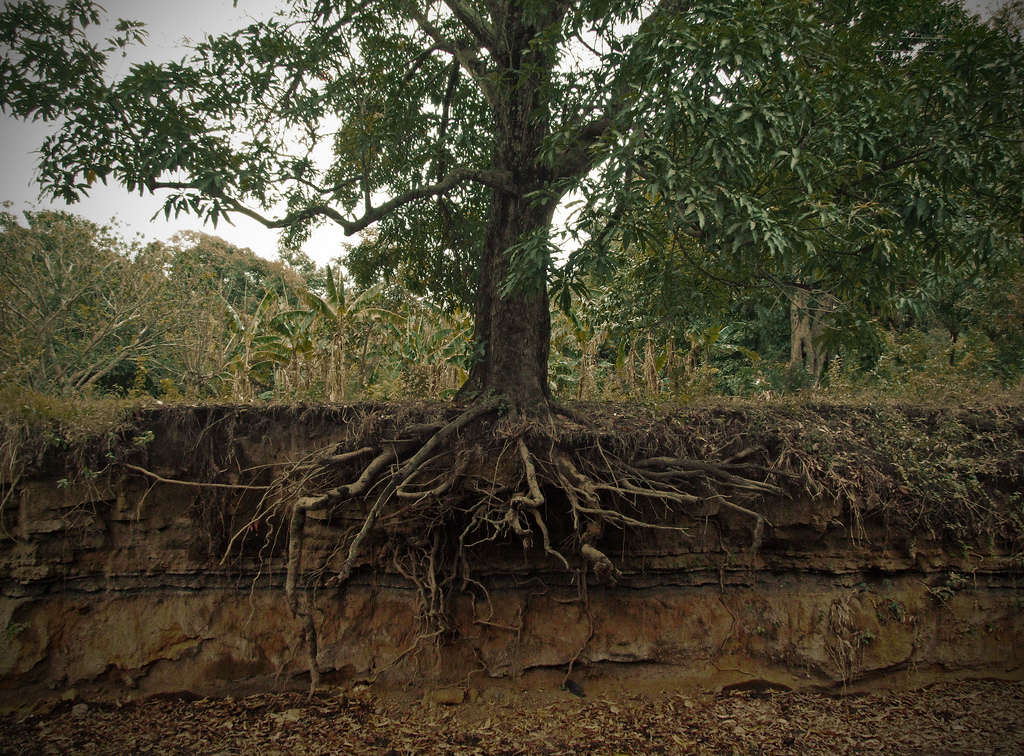
Now, it’s time for the roots. The roots grow from the seedling and spread out inside the surrounding earth, creating the architecture of the tree foundation and the support system that will determine just how big the tree can be. Besides just being vectors for nutrients, roots also release an enzyme called cytokinin, which controls the growth rate of the tree — directly linking the establishment of a healthy root structure to the above-ground development of the tree. Slowly, the tree emerges and eventually grows a stem, branches and leaves. Once it has leaves, it can survive through photosynthesizing, with the help of enough water and sunlight. Flowers begin to grow either before or after the leaves do, depending on the tree. It can take years for a tree to grow to full maturity, but when it’s ready, the flower pollination process begins.
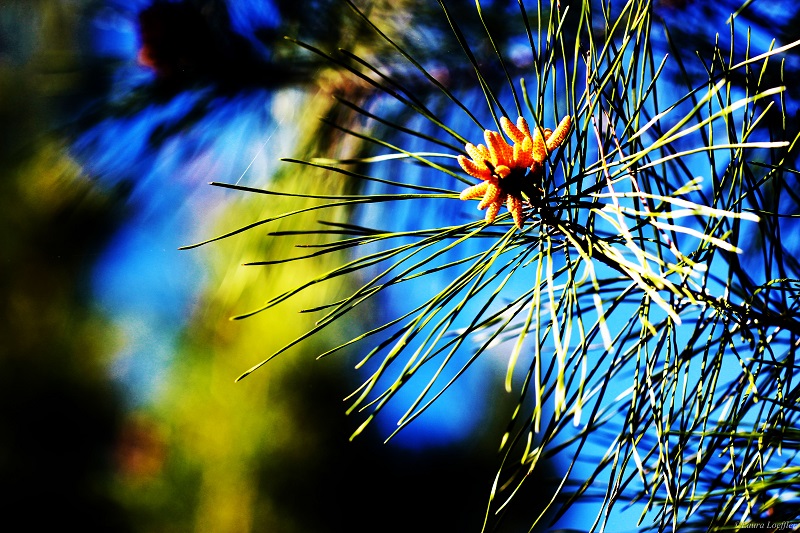
Polli-what?! Pollination: the transfer of pollen from the anther of the flower, where pollen is produced, to the stigma of the flower, where it travels down the innermost parts of the flower (the “female” reproductive portion is burrowed here). Pollen’s journey can sometimes be a long one, and it can’t travel very well on its own. Luckily, it can catch a ride from a dispersal vector — any creature or force that transfers pollen. There are several kinds of dispersal vectors for tree pollen: living (such as bees, bats and some birds), and not-living (such as wind or water). Once one of these friends or forces makes the deposit, the seed is created and on its way to becoming a germinated seedling, and eventually a new daughter tree!
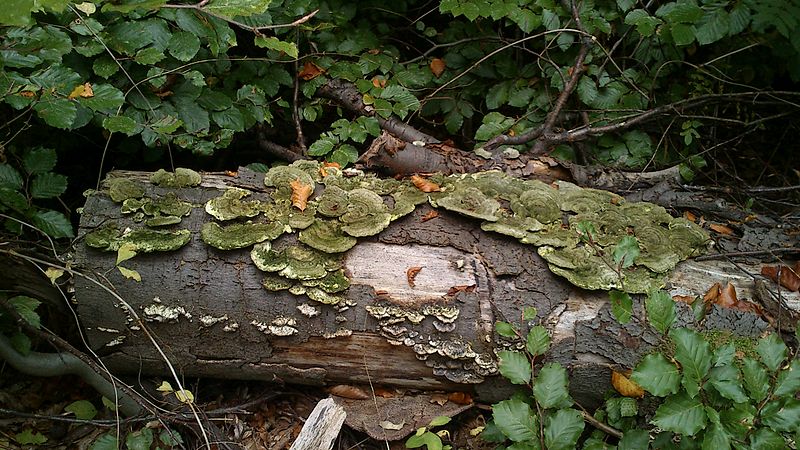
Meanwhile, the parent tree’s life is coming to an end. One of the definitions of senescence is “the process of deterioration with age.” With trees, what frequently happens is that the tree outgrows its ability to obtain enough resources to keep it alive. As its ability to self-maintain falls further and further behind, the tree becomes more susceptible to diseases, pests, storms and other natural predators. Eventually one of these antagonists will claim the weakened tree, and bring it to the ground. The death of the tree is just as important as (and potentially even more so than) the birth of it. After the tree’s death, micro-organisms and insects break it down into pure nutrients and organic material that create a fertile and inviting home for new life. The tree’s nutrients are thus returned to the soil and used by future plant generations.