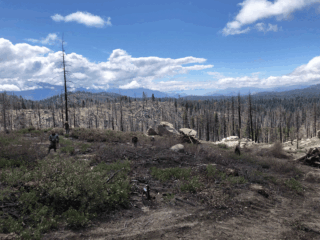
In a state where fire is no longer confined to a single season, the work of restoring forestlands has taken on new urgency. Each year, more seed sources are lost in fires, damaged landscapes expand and the window for recovery shrinks. Without timely action, vast areas could convert permanently into non-forested shrublands. Meeting this moment will require not only technical solutions, but deep collaboration across the people and systems that make reforestation possible.
This urgency brought more than 150 practitioners, researchers, Tribal leaders, agency staff, industry partners and community members together last December in Roseville, Calif., for The Understory, a three-day gathering focused on building the systems, capacity and relationships needed to restore forests at scale.
Hosted by American Forests through the California Reforestation Pipeline Partnership, The Understory was framed not as a traditional conference, but as a chance to explore what fuels forest recovery beneath the surface: people, knowledge, trust and shared purpose. The Partnership was created in response to information gaps identified by Governor Newsom’s California Wildfire and Forest Resilience Task Force and is designed to strengthen public-private cooperation necessary for expanding seed supplies and reforestation capacity statewide.
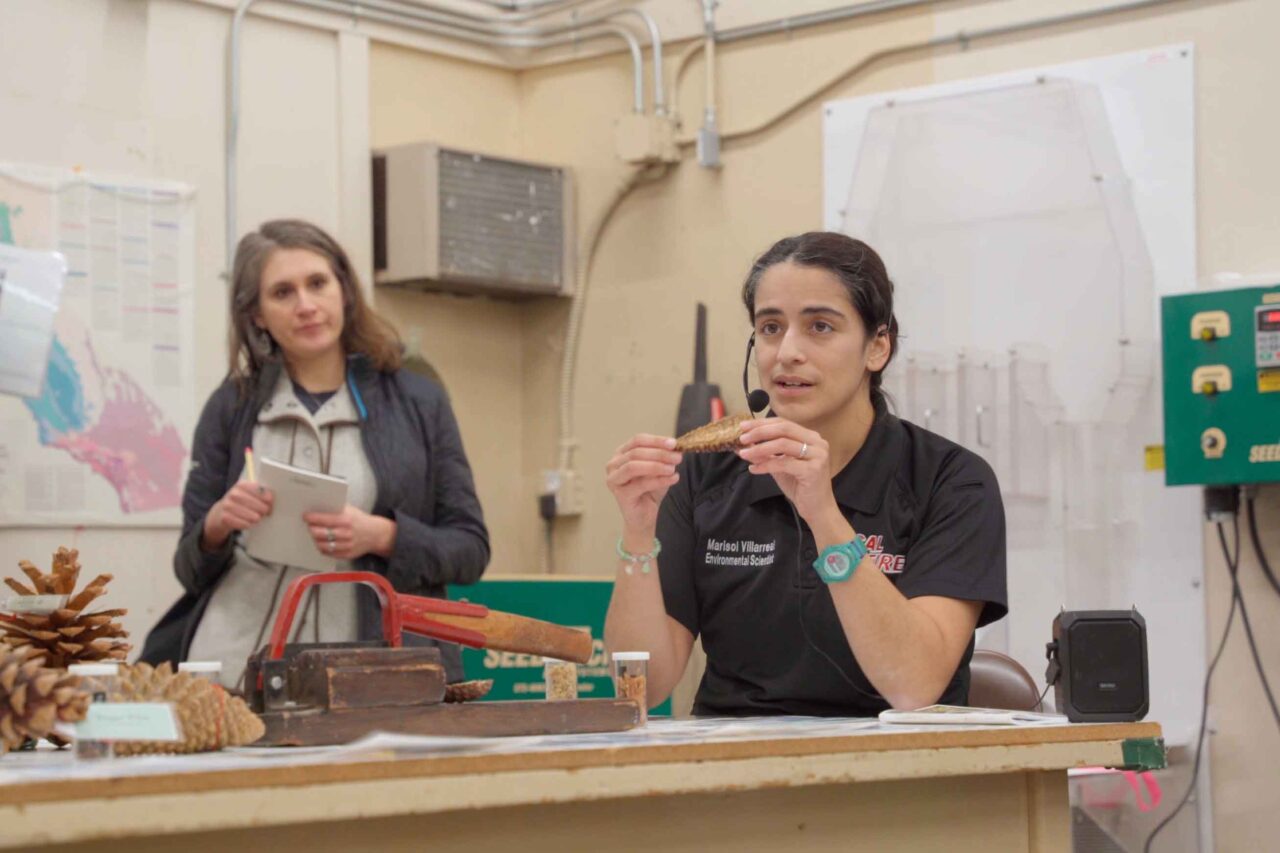
Photo Credit: Ashlay Catalina Perkins / American Forests
The event opened with a visit to California’s state seedbank and nursery, where attendees traced the journey from cone to seed to seedling. Inside vaults chilled to zero degrees, cones are cleaned, tested and cataloged by elevation and origin to match future forests to the conditions they will face. The tour offered a clear message: Reforestation is meticulous and time-sensitive, and bottlenecks at any point can stall recovery for years.
Throughout two days of conversations, several themes stood out. First, people are central to successful restoration because many forests cannot recover on their own. The strongest solutions emerge where science and knowledge meet lived experience and insights that inform policy. Keynote speaker Dr. Cristina Eisenberg, PhD described this convergence as “two-eyed seeing,” when we approach landscapes with a holistic, place-rooted approach to stewardship grounded in reciprocity, respect and the braiding of Indigenous knowledge and Western science.
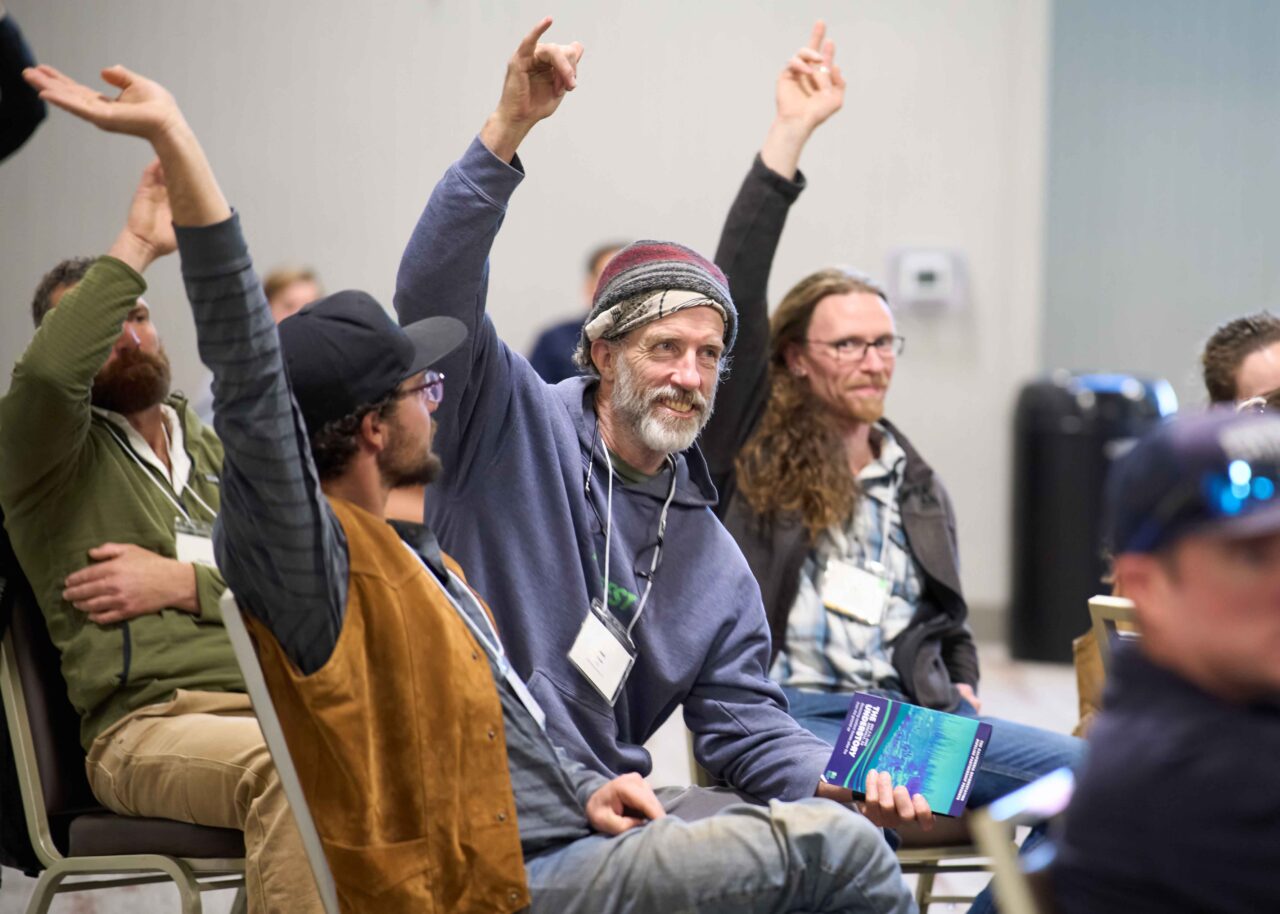
Photo Credit: Ashlay Catalina Perkins / American Forests
Second, restoration is unfolding under unprecedented conditions. Climate change, drought stress, pests and increasingly severe fires mean yesterday’s playbooks need revisiting and updating. Rather than search for universal answers, discussions focused on adaptive strategies, matching actions to ecological and landowner goals, and acting quickly enough to take advantage of favorable post-fire conditions.
Workforce development surfaced as another defining challenge. To meet California’s current restoration goals, the workforce will need to roughly double. Participants emphasized the need for clearer career pathways, training and mentorship that can sustain a new generation of forest stewards. Programs like the California Cone Corps and Cone Camps, flagship efforts of the Partnership, are building that capacity by expanding the state’s pipeline for seed collection and processing.
Perhaps the most consistent thread was the need for sustained momentum. Severe wildfire leaves a narrow window when landscapes remain suitable for replanting. Streamlining steps across the reforestation pipeline while maintaining ecological integrity will be critical to keeping forests from converting to grasslands and shrublands.
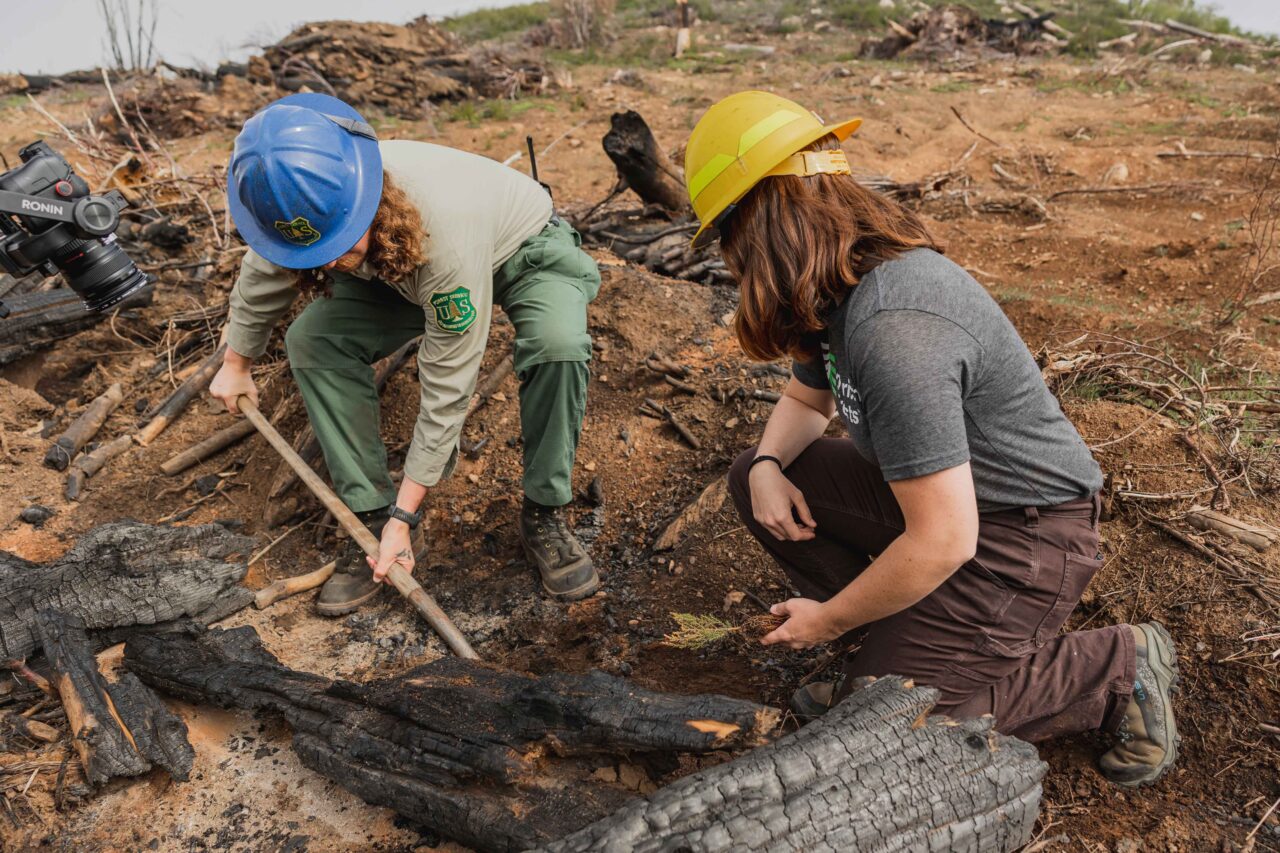
Photo Credit: Mark Janzen / American Forests
“The challenges created by the circumstances we’re seeing in California’s forests require us to be both swift and bold with our problem solving,” says Shelley Villalobos, manager of the Partnership with American Forests. “If there were ever a time to collaborate radically across our differences to save the forests we love, that time is now, and that’s what The Understory was about.”
The Understory affirmed that California already has the knowledge, talent, tools and commitment necessary to meet this moment if those across agencies, Tribes, nonprofits, research institutions and communities continue to coordinate and support one another.
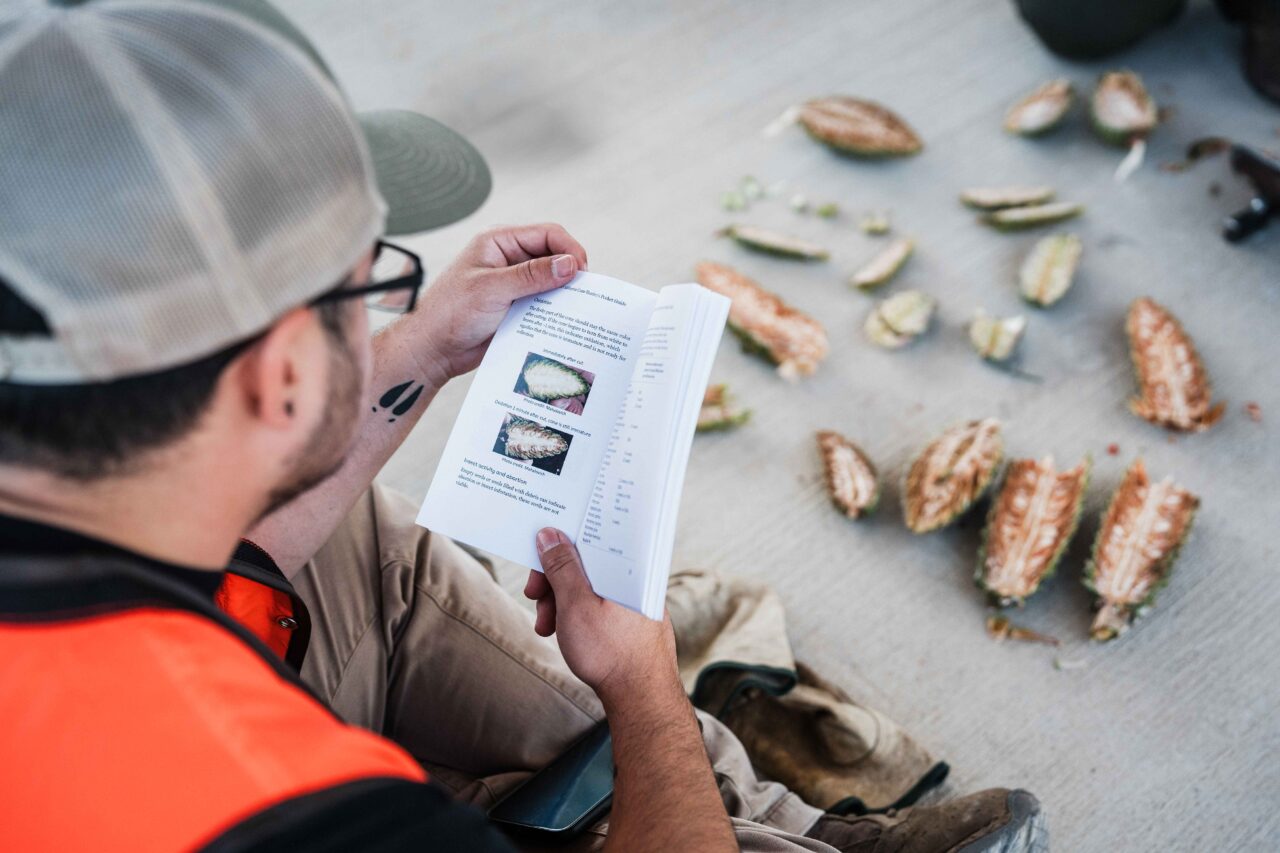
Photo Credit: Leon Villagomez / American Forests
In the coming months, the California Reforestation Pipeline Partnership will build on the momentum of The Understory through science huddles, workforce training, Cone Camps and deeper integration of traditional ecological knowledge. The seeds of collaboration and knowledge planted in Roseville now return with participants into their daily work.
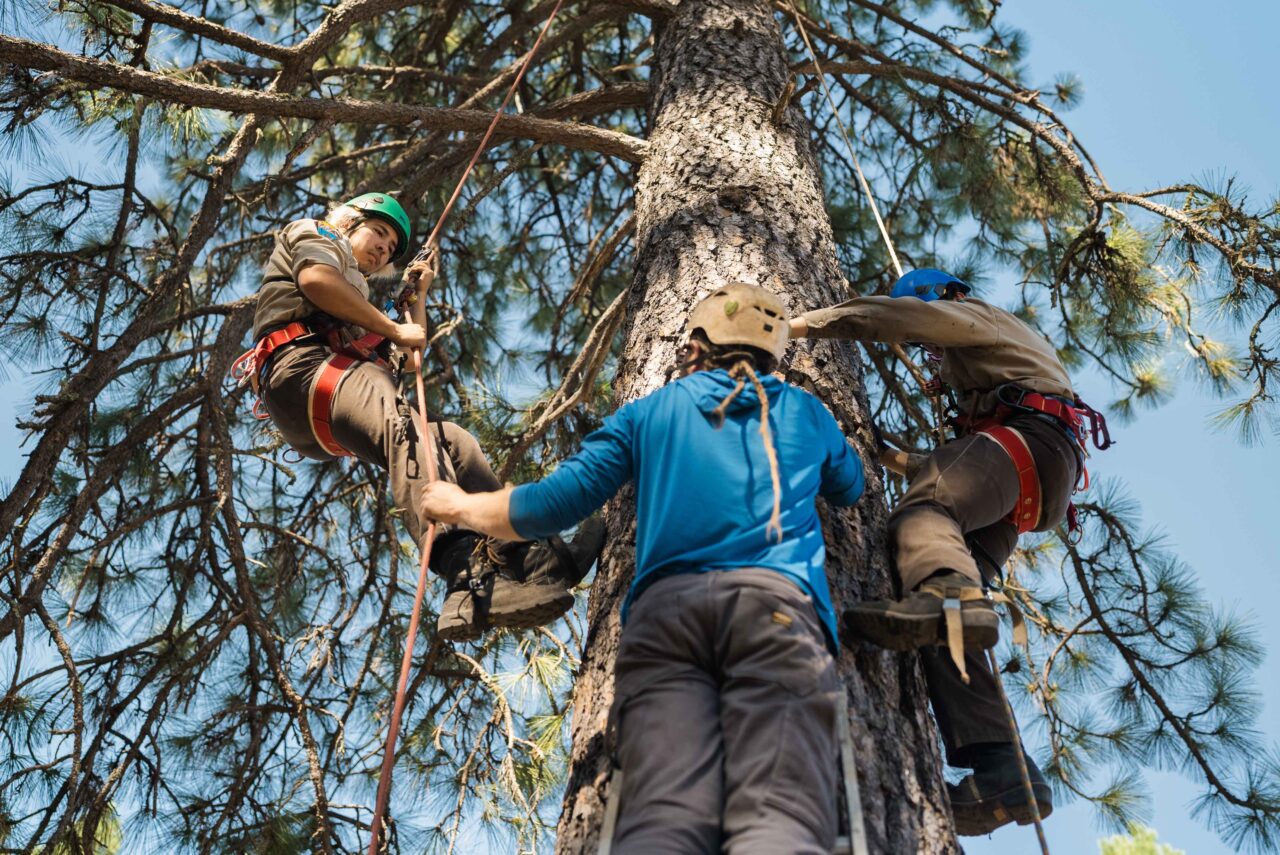
Photo Credit: Leon Villagomez / SEGI Consulting
Restoring California’s forests is a generational effort. But by tending the human connections beneath the work, the reforestation community is laying the foundation not only for future forests, but for a more resilient California.