
For 150 years, American Forests has worked across the country to restore large, natural landscapes and bolster urban forests. But as our approach to restoration has evolved, we’ve spent the last 35 years focused on building and deepening relationships with the places and people we have supported. It’s been our privilege and responsibility to lift up partner organizations at the local level all over the country. It’s also been strategic: We build capacity and staying power, and the ideas and intentions of our work are carried forward through our local partners, making American Forests much larger than a single organization.
American Forests’ legacy is now grounded in a long-term commitment to place — shaped by the people, ecosystems, policies, culture, climate and, of course, forests co-existing together.
Building resilient forests and communities has meant investing not just in trees, but also in the infrastructure, workforce and policies that allow forests to thrive. Each place requires its own solutions informed by local knowledge and needs and sustained over time. This evolution has guided American Forests toward an approach that allows us to respond to the distinct needs of both large, natural landscapes and cities, linking forest health with community well-being and long-term resilience.
American Forests believes that enduring impact relies on continuity, trust, collaboration and a willingness to evolve with the places we serve. That philosophy is best understood through the places where American Forests has maintained some of its longest commitments.
Learning by staying
In our early years, American Forests focused on protecting and restoring forests through supporting on-the-ground partners leading hands-on conservation and reforestation efforts. Our support followed the need — often resulting in one-off plantings and projects where we felt we could make a difference. But we learned that our community and forest resilience issues are deeper, often requiring more investment and greater focus to ultimately fix. What distinguished this work was not its scale, but its presence. Eventually over time, we began to collaborate with the same partners across the same landscapes and in the same cities year after year, building relationships with land managers, community leaders and local organizations. That growing commitment to people and place taught us key lessons about restoration strategies and practices specific to regional landscapes and cities. It also taught us the value of long-term, consistent commitment to partners and landscapes — generating impact at scale through efficiencies gained from multi-year and multi-decade partnerships.
Many of American Forests’ longest-standing commitments to place-based partners began in the early 1990s and the years that have followed, including work in longleaf pine ecosystems in the Southeast and in the streets and communities of Boston, among many others. These places became classrooms as much as project sites, offering lessons that would shape our approach for decades to come.
Today, our impact is reflected in individual stories of our work across the nation that come together as a mosaic of trust. These stories represent the real relationships, investment and systems built over time that ensure forests and people can thrive together.
Southeastern U.S.: Learning a landscape
In the Southeast, longleaf pine once defined the landscape. These fire-loving forests supported some of the most biologically rich ecosystems in North America. Today, only a small fraction of the original range remains.
American Forests’ work in longleaf pine ecosystems began in 1992 and has continued through changing conditions, partners and priorities. Rather than approaching restoration as a single activity, American Forests has worked alongside public agencies and local organizations to address the full set of conditions required to restore longleaf forests.
In places such as Florida’s Blackwater River State Forest, restoration has included expanding access to seeds and seedlings, supporting prescribed fire, strengthening local workforce capacity, and aligning conservation goals across public and private lands. Each step is informed by what the landscape needs to thrive.
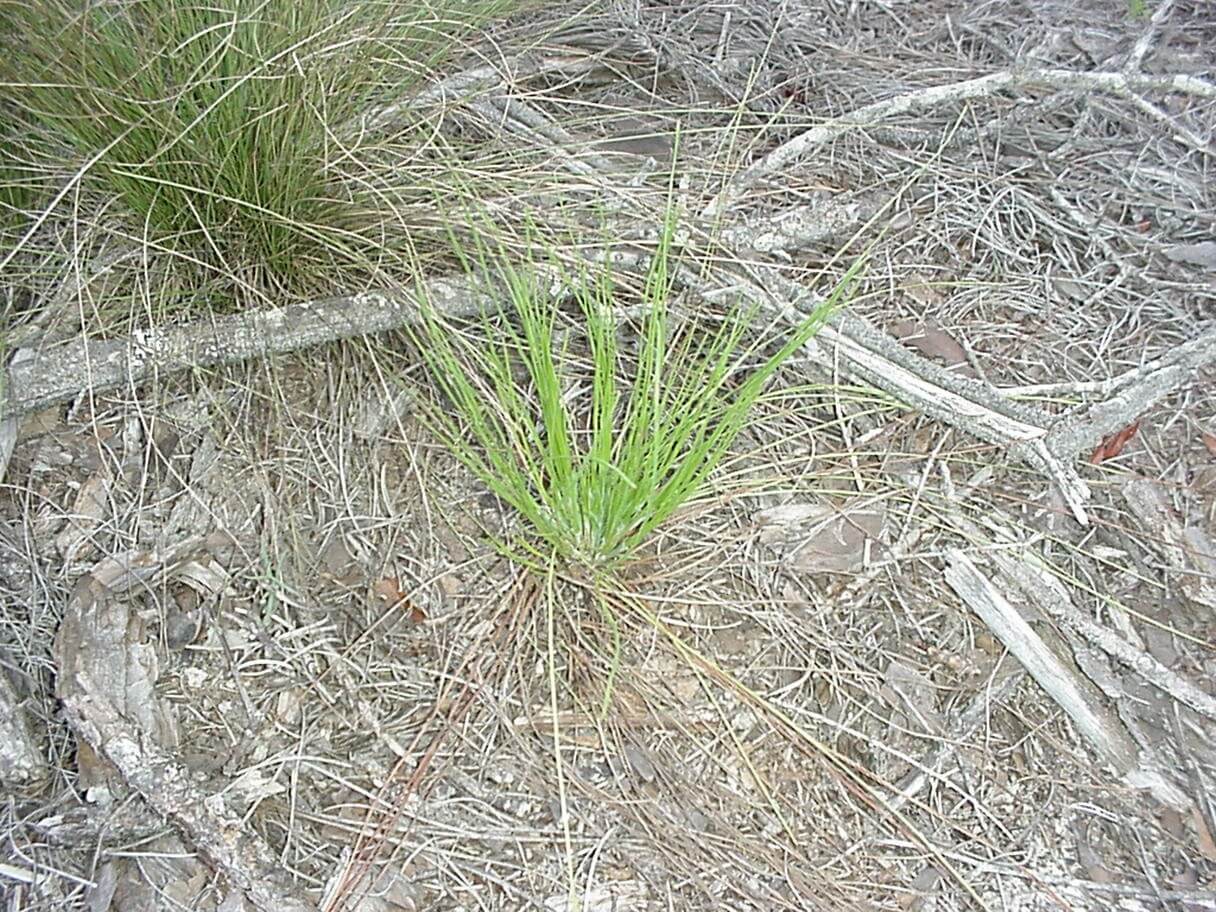
Photo Credit: Florida Forest Service
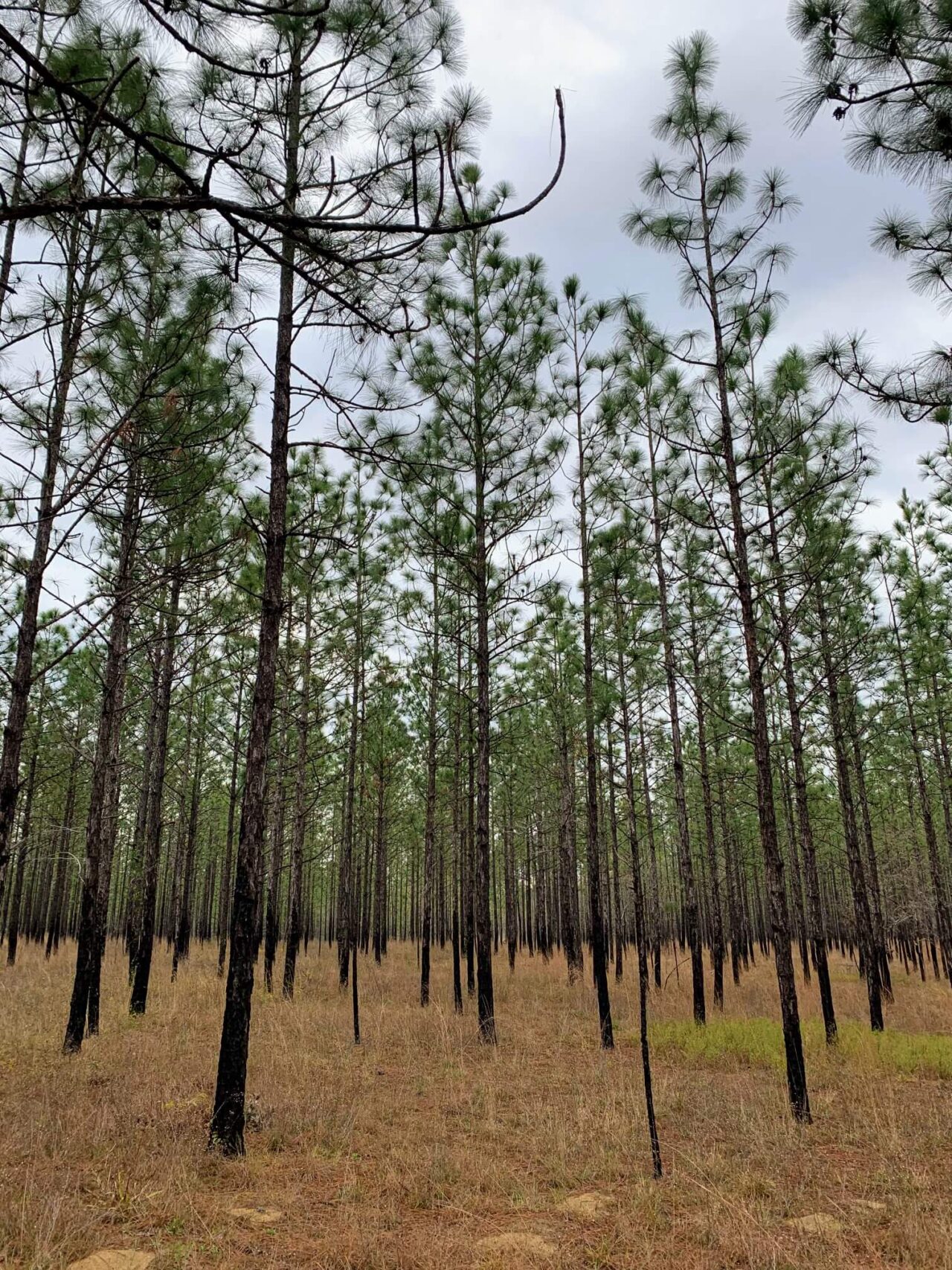
Photo Credit: American Forests
Beyond partnering with local restoration leaders, American Forests is now building our own capacity to fill in key longleaf pine restoration pipeline gaps. Our place-based regional staff and foresters are developing a longleaf pine restoration workforce, providing technical and financial assistance to private non-industrial landowners; assessing the weak links in the longleaf reforestation supply chain; and coordinating landscape-scale, cross-boundary longleaf restoration on public and private lands across the Southeast.
This work has helped restore habitat for threatened species, reconnect fragmented forests and advance a broader vision for longleaf pine recovery across the region. Just as importantly, it has reinforced a central lesson that continues to guide American Forests’ work: Resilient forests are not rebuilt quickly, and their health and success relies on thoughtful, long-term stewardship.
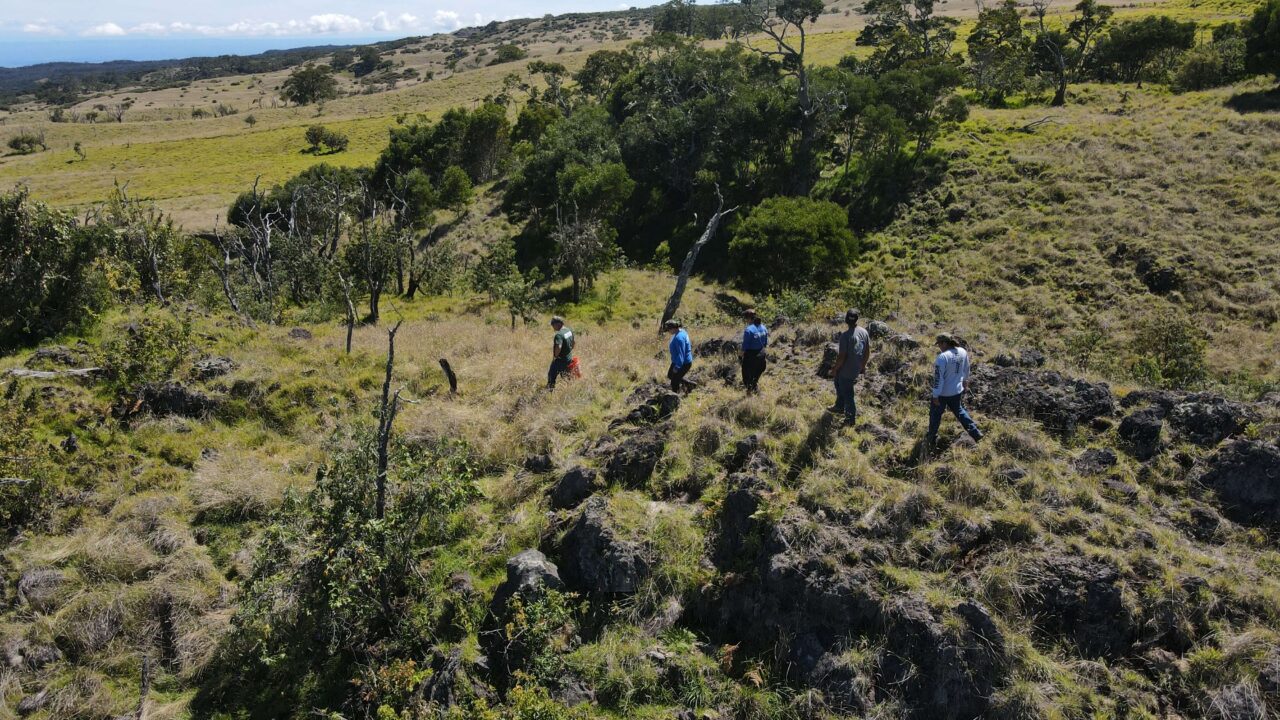
Photo Credit: Matt Yamashita / American Forests
Hawaiʻi: Restoring forests found nowhere else
Hawaiʻi’s native forests are unlike any other. Isolated by geography and shaped over millennia, they are home to plants and wildlife found nowhere else, forming ecosystems of extraordinary ecological and cultural significance. These forests also play a critical role in protecting water resources, stabilizing soils and sustaining communities.
Since the early 1990s, American Forests has been working with local partners like the Hakalau Forest National Wildlife Refuge and the Mauna Kea Watershed Alliance to conserve and restore Hawaiʻi’s native forests. These partnerships are focused on rebuilding upland native forests, including within the Kanakaleonui Bird Corridor — a strategic strip of forest that will enable endangered bird populations to escape non-native, disease-carrying mosquitoes that are expanding their range uphill as the climate warms.
With partnerships that bring together public, private, academic and Native Hawaiian-led organizations, American Forests is collaborating with a diverse group of stakeholders to develop innovative models that drive more funding and financing into forest restoration for water, climate, biodiversity and cultural benefits.
“In Hawaiʻi, everything is dependent on relationships, especially our relationship to place,” says Nick Wilhoite, American Forests’ senior manager of Hawaiʻi restoration. “Successfully integrating science and best management practices into forest stewardship requires an in-depth understanding of local conditions. This place-based knowledge is critical to guiding forest restoration and management in ways that balance ecological complexity, forest health and real-world challenges alongside the needs of our communities connected to these forests.”
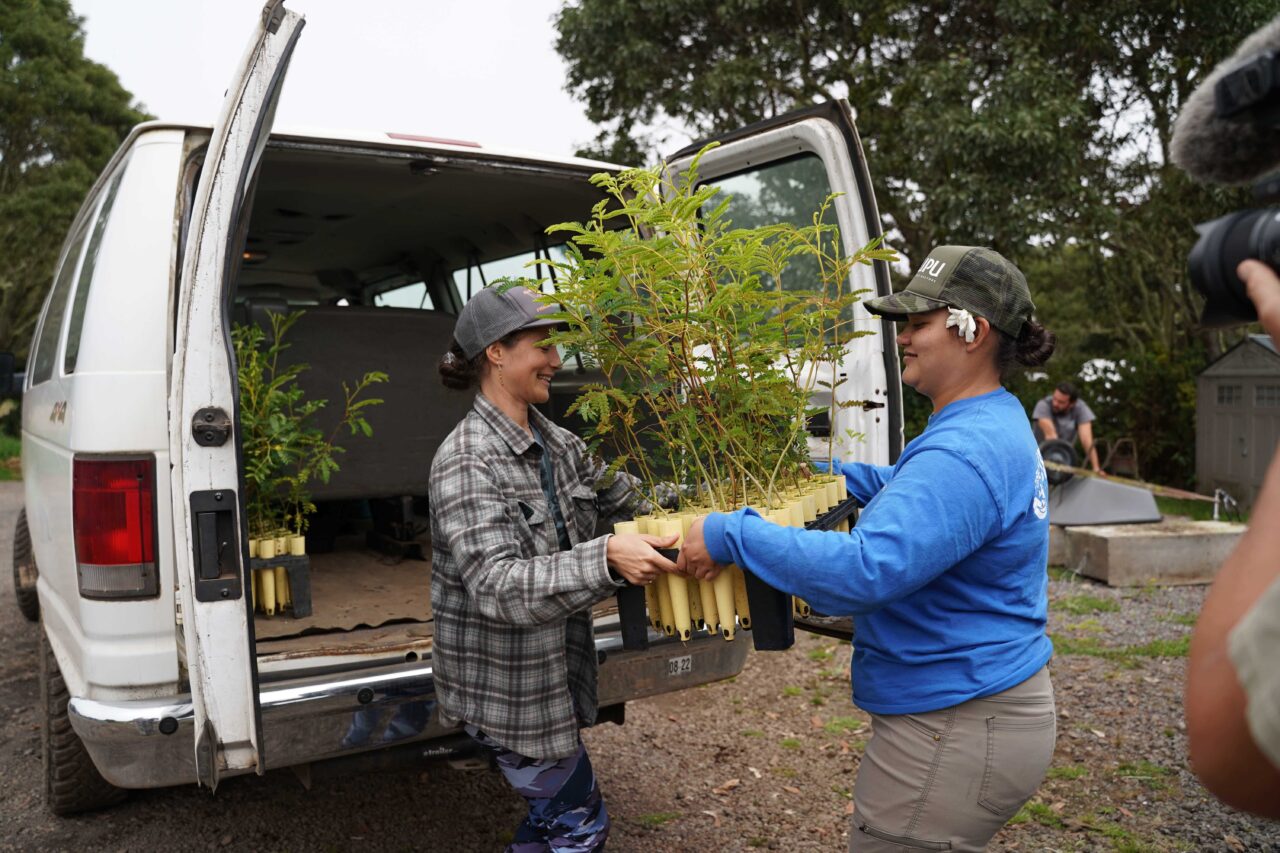
Photo Credit: Matt Yamashita / American Forests
Boston: Advancing Tree Equity at the city scale
In Boston, trees play an essential role in shaping how neighborhoods experience heat, air quality and public space. American Forests has worked alongside the City of Boston and local partners for years, supporting efforts to address disparities in canopy coverage and helping to establish local nonprofit Speak for the Trees, Boston. These trusted relationships made way for a more coordinated, citywide approach to urban forestry that recognizes trees as part of the city’s climate and community infrastructure.
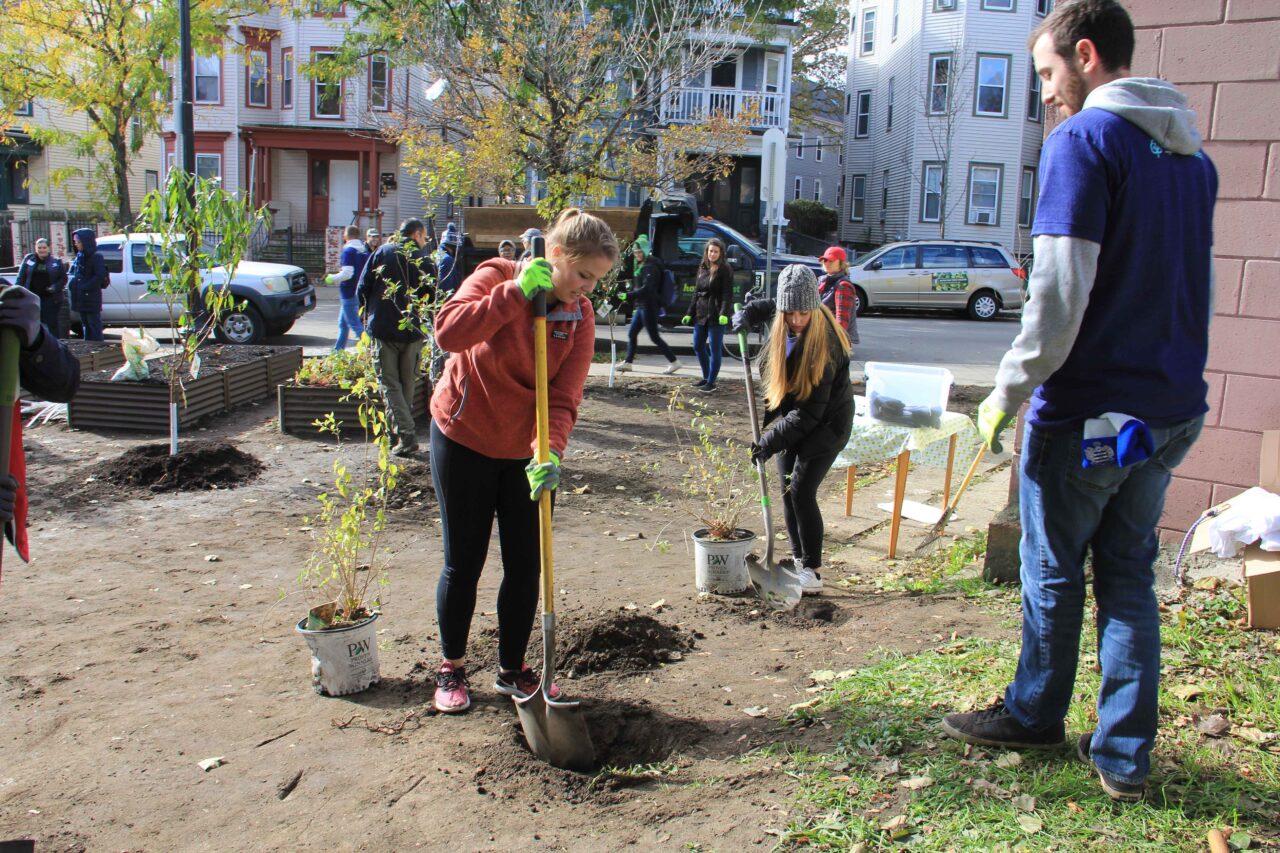
Photo Credit: American Forests
Today, Boston is advancing Tree Equity by prioritizing investment in neighborhoods with fewer trees and higher exposure to extreme heat. American Forests was a core member of a technical team that developed Boston’s Urban Forest Plan — aligning data, policy and community input to guide where trees are planted and how they are cared for. This work reflects a shift from individual projects toward long-term planning that supports canopy growth, maintenance and accountability. To support and grow Boston’s urban forestry workforce, American Forests is collaborating with local partners and Boston’s Climate Ready Workforce Action Plan to map green jobs, connect training programs to employers, and equip tree-care companies to better serve the diversity of new workers.
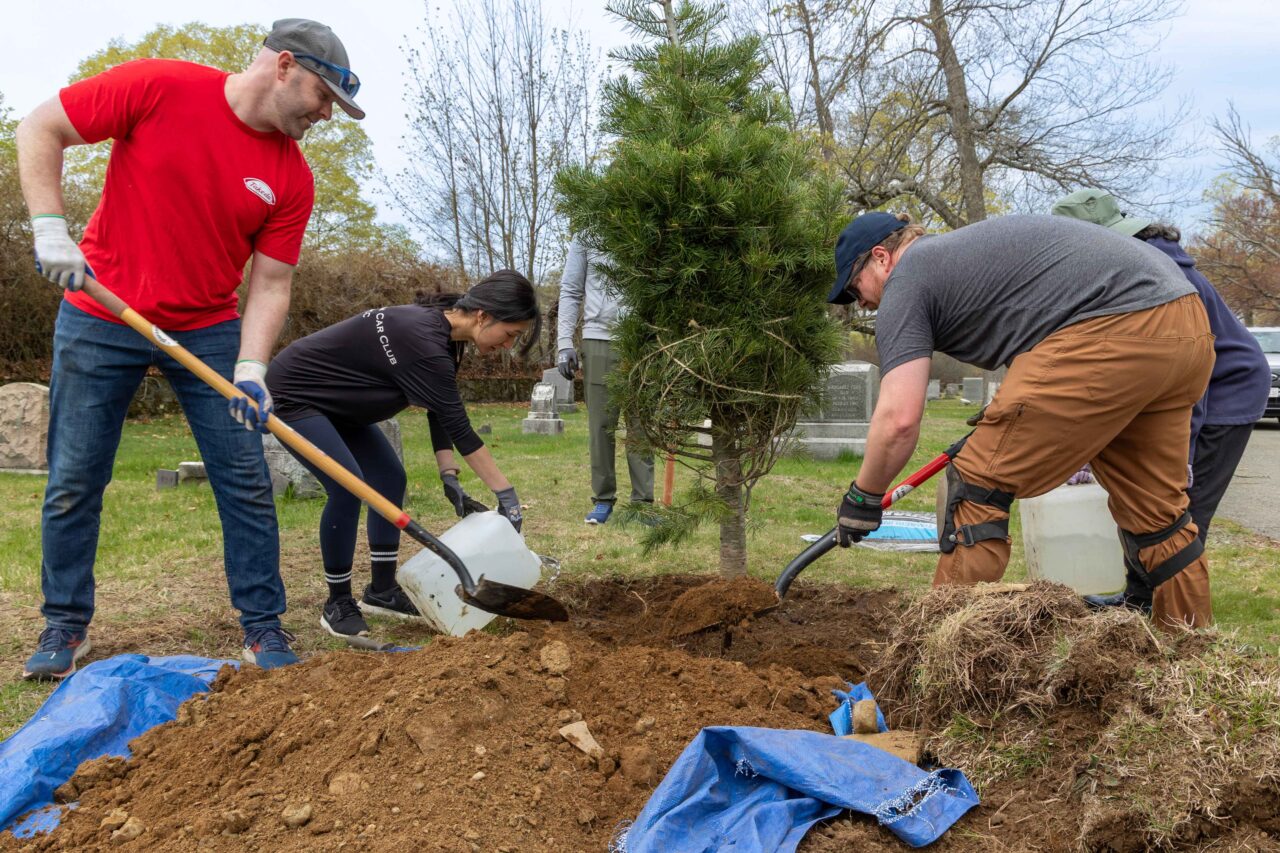
Photo Credit: Hannah Gregory / American Forests
At the heart of Boston’s approach is an understanding that lasting impact depends on sustained care and collaboration.
By supporting planning processes and local partnerships, American Forests has helped the city build a foundation for an urban forest designed to grow more equitably and endure into the future.
Spokane: Scaling Tree Equity through partnership
In Spokane, Wash., American Forests’ work reflects how long-term partnerships can translate shared commitments into action on the ground. The city is working toward a goal of 30% tree canopy cover in every neighborhood by 2030, supported by federal investment aimed at expanding tree planting in low-income areas.
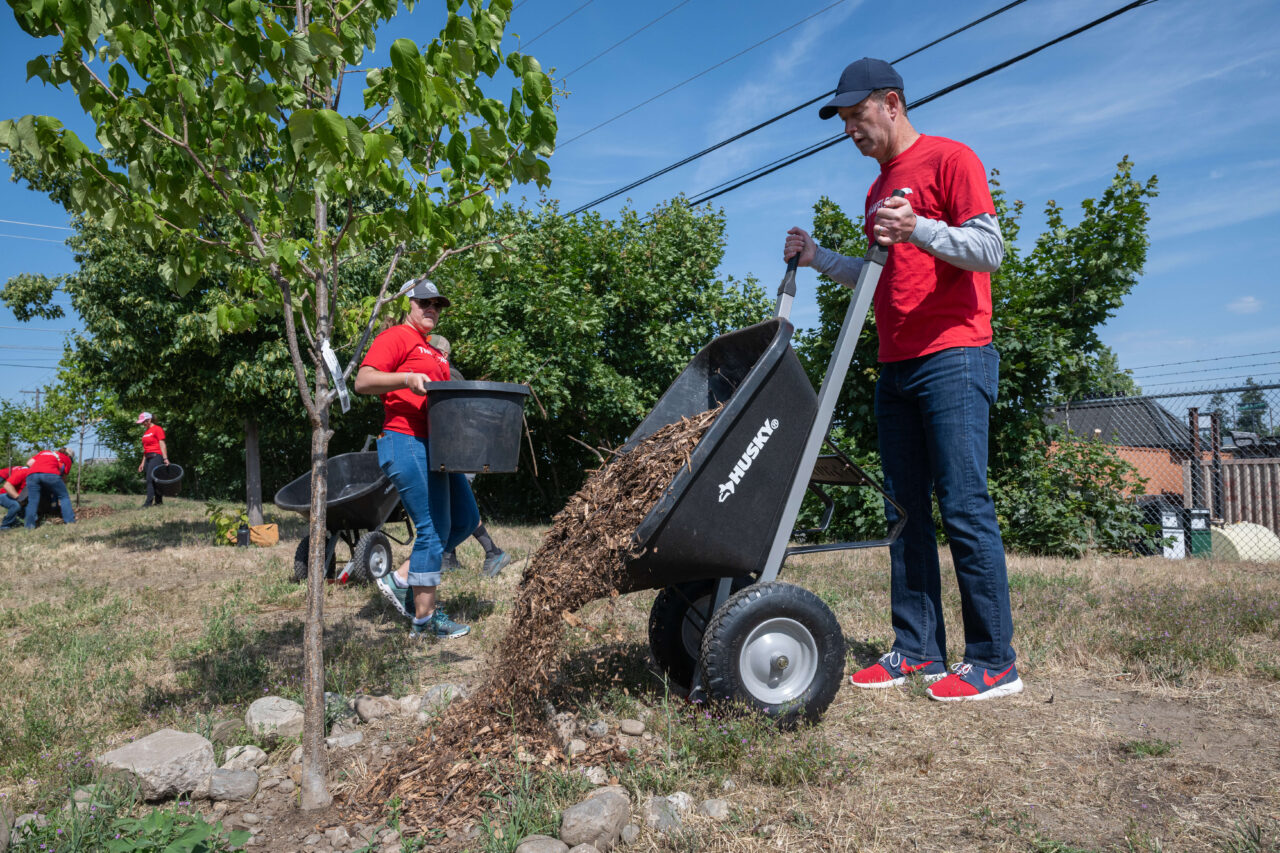
Photo Credit: Eric Doxey
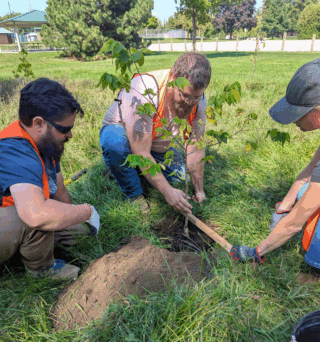
American Forests has played a central role in advancing work in this region through collaboration with the City of Spokane, Lands Council, Spokane Conservation District and the Washington State Department of Natural Resources. Together, these partners have supported initiatives that provide free trees to underserved neighborhoods, helping residents access the benefits of shade and healthier community spaces.
Spokane’s progress is also connected to broader statewide collaboration. In 2025, the city co-hosted an event for the Washington State Tree Equity Collaborative, which is co-led by the Washington State Department of Natural Resources and American Forests.
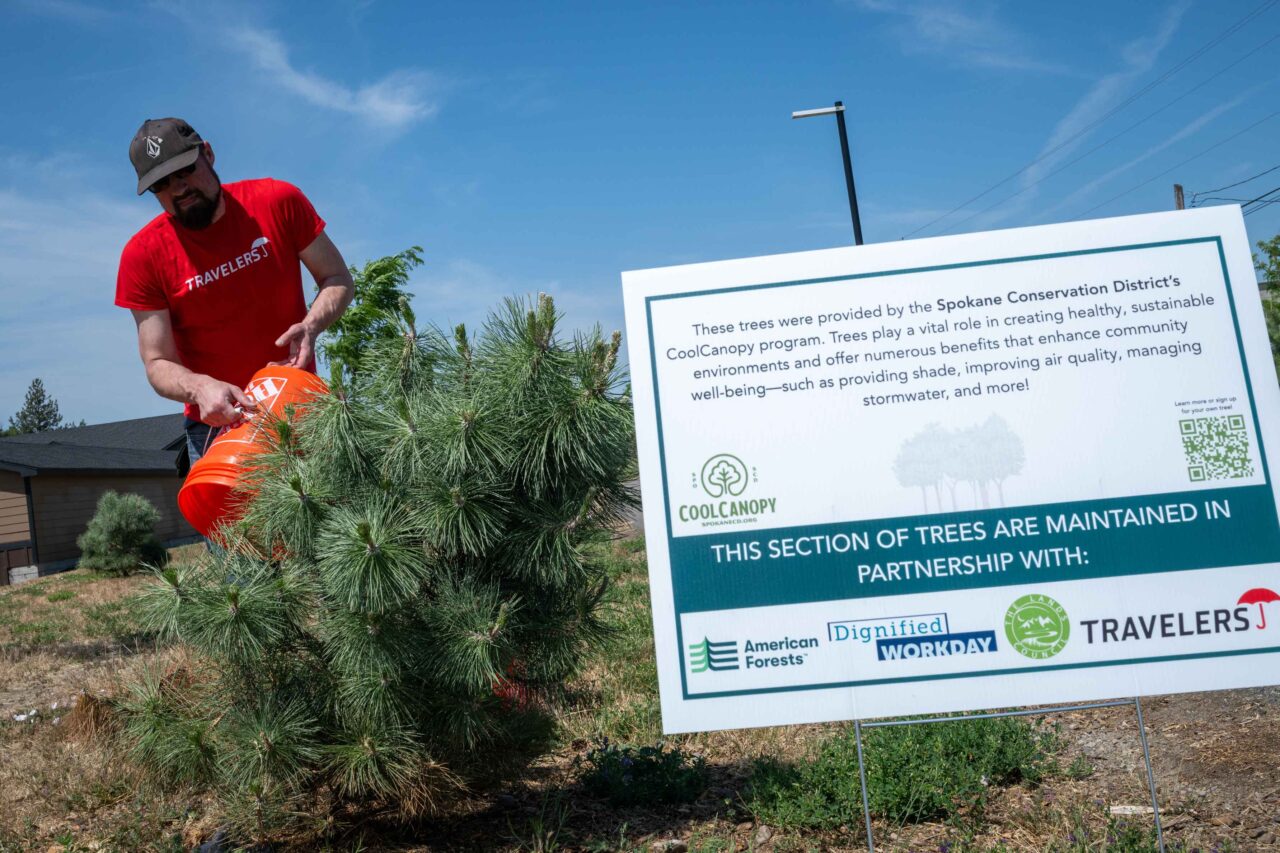
Photo Credit: Eric Doxey
This effort brings together partners across the state to align leadership, policy and planning in support of Tree Equity goals.
“Our partners in Spokane understand that achieving equitable canopy means more than just planting trees where they are needed the most,” says Drue Epping, American Forests’ director of Pacific Northwest and West Coast. “It requires building shared understanding, support and community capacity to care for the urban forest at every step, from planting through long-term maintenance and stewardship.”
Mapping the next 150 years
American Forests believes that forests thrive when communities are supported, ecosystems are connected and long-term care is built into every solution. Our work will continue to evolve as we embark on the next 150 years of generating impact on the ground, responding to new challenges while remaining anchored in the places and people who make that work possible.
Together, these stories and our vision for the future reveal a picture of American Forests’ work shaped by decades of commitment to place. They show how enduring, national-scale impact continues to be achieved through local, place-based collaboration and the grit to stay long enough for change to take root.
Adrienne Bermingham serves as American Forests’ director of corporate partnership marketing and writes from New York.