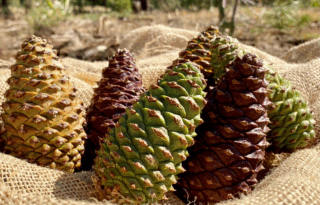
When Austin Rose stepped into the woods for the first time as a forester, everything felt new.
Not only was he engaging with the forest in an entirely different capacity, but the landscape itself was unfamiliar — a burnt forest at the edge of the high desert, hills and valleys overtaken by chest-high snowbrush with countless charred pines to weave through.
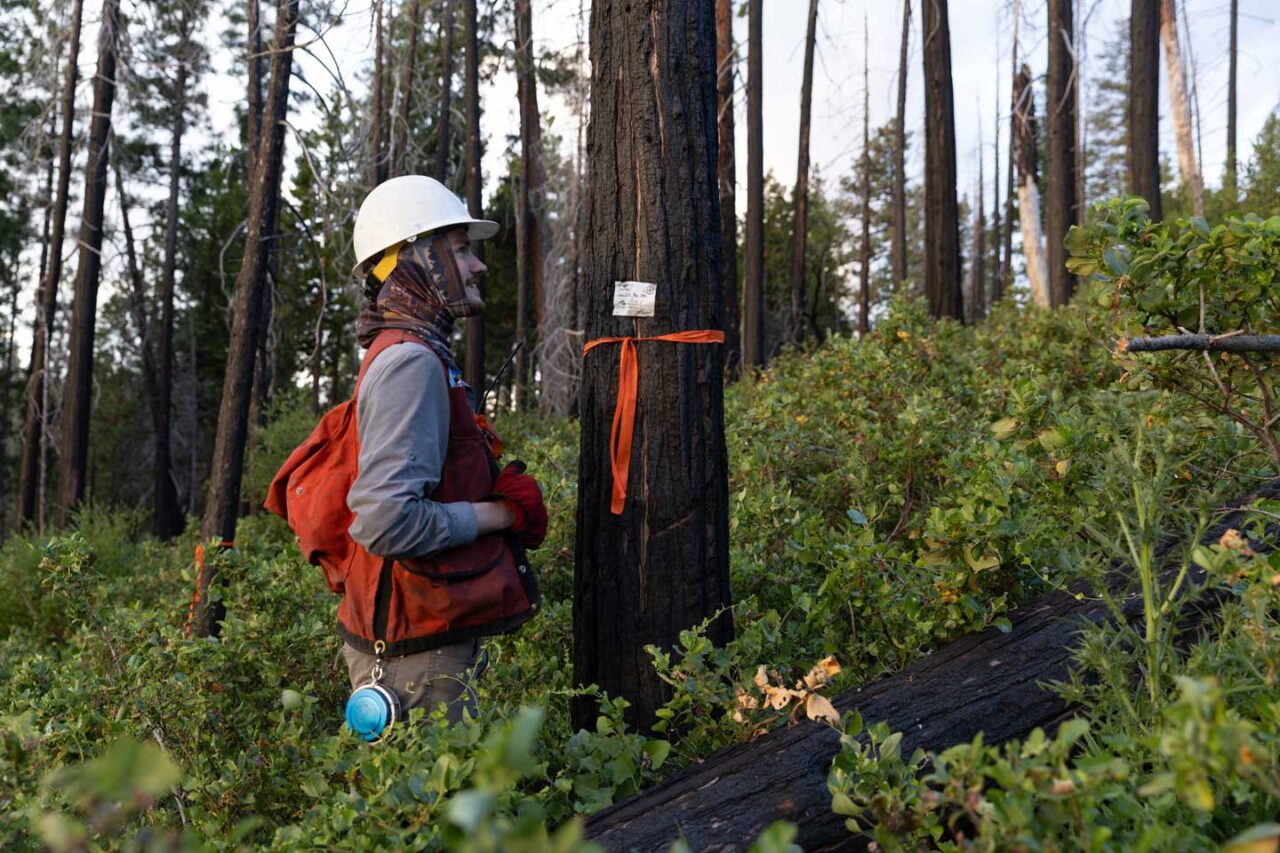
Photo Credit: Nick Grier / American Forests
“It was like learning to read the forest in a new way,” he says. “Certainly, a trial by fire — no pun intended.”
Now, just four years later, he’s preparing to lead his own crew in Washington state, helping to restore fire-scarred landscapes and train the next wave of forestry professionals. His journey is more than a personal success story. It’s a window into how American Forests is tackling one of the most limiting challenges in conservation today: rebuilding the forestry workforce.
Finding a path back to the woods
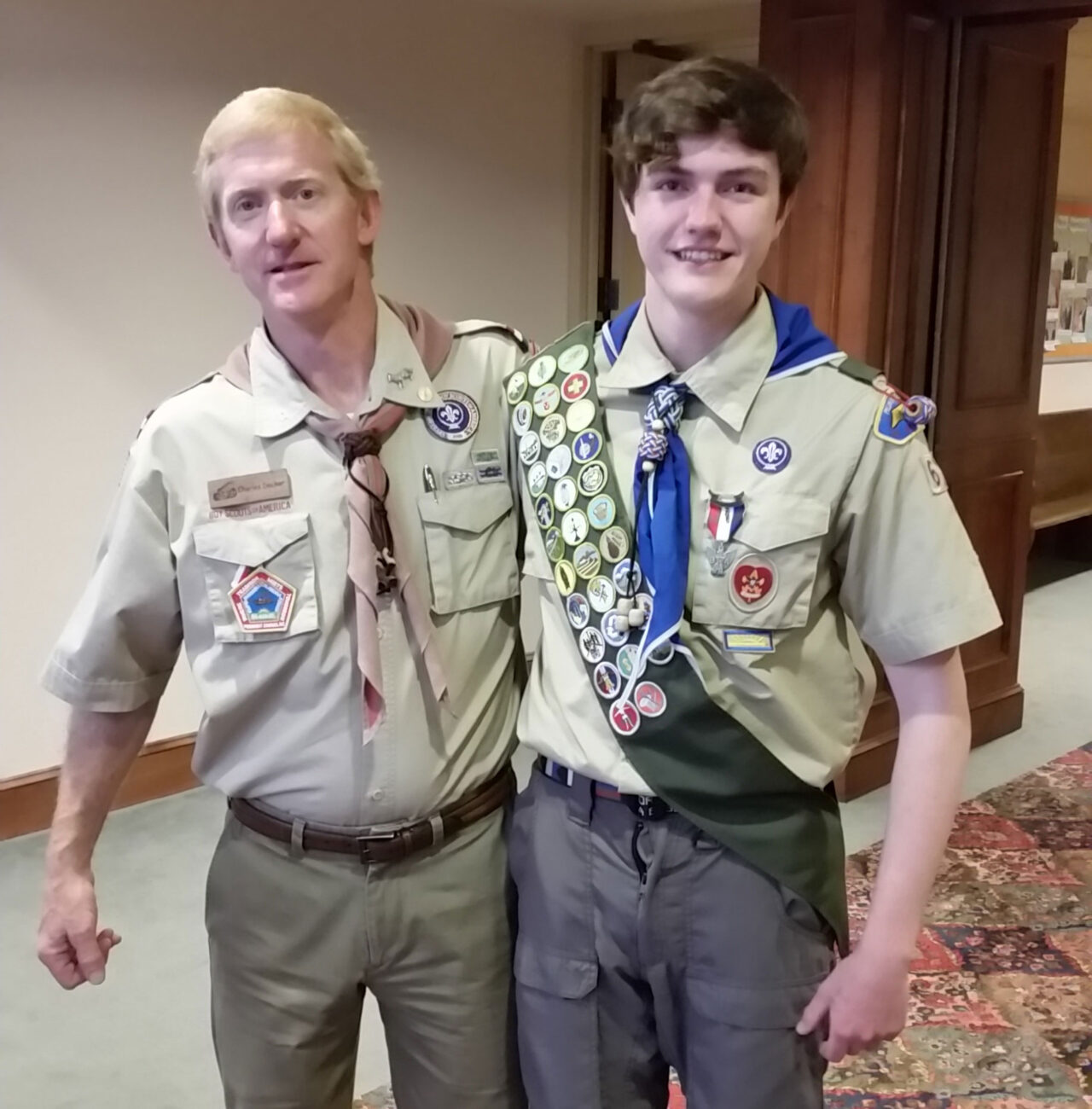
Photo Credit: Courtesy of Austin Rose
Rose didn’t take a traditional route into forestry, and his entrance into the field was anything but immediate. But his passion for outdoor spaces has always grounded him and, perhaps unknowingly, laid the foundation for his forestry future.
Growing up in North Carolina, Rose’s love of nature was sparked at an early age through exploring creeks for salamanders, camping with his Boy Scouts troop and eventually earning his Eagle Scout rank. That passion led him to study wildlife biology at North Carolina State University, where he immersed himself in everything from insect collection to conducting “bio blitzes” with his friends, camping out and documenting as many species sightings as possible in a weekend.
After college, he landed his first job in North Dakota conducting bumblebee research. But like many early-career professionals, his path was disrupted by the COVID-19 pandemic. He found himself back home, working in event production — coordinating logistics, managing crews and setting up large-scale events.
“It was backbreaking work,” Rose says, and it felt far from how he imagined spending his career.
“I didn’t want to spend the rest of my days putting tents up in a shopping center,” he recalls.
Determined to return to the environmental field, he began searching broadly. Eventually, one job listing stood out: a reforestation technician role with American Forests.
“I had a little bit of experience taking forestry classes and doing some forest measurements in college,” Rose says. “But that was really my only experience. I think it was the combination of my background with my degree and the leadership experience I had gained leading the event production crew that helped me get the job.”
In August 2022, Austin joined American Forests as a seasonal contractor working on Oregon’s Fremont-Winema National Forest. As he stepped onto that initial burn scar, it was the beginning of a rapid transformation.
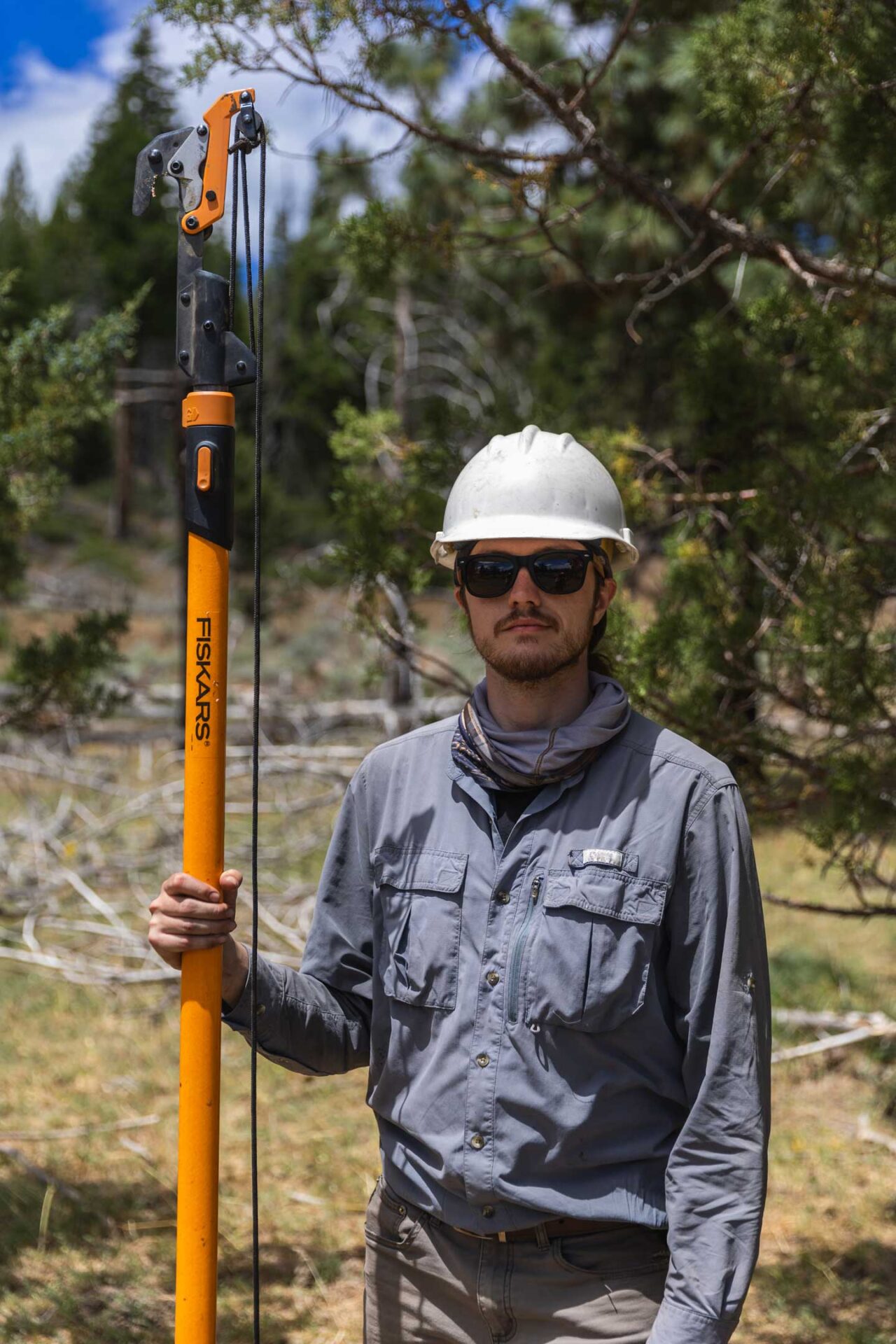
Photo Credit: Nick Grier / American Forests
Learning by doing
That first assignment put Rose through a steep learning curve.
“We had two days when our U.S. Forest Service contacts came out to give us pointers and tell us what we needed to do. But other than that, it was very much the crew figuring it out with the help of our crew leads.”
What initially felt like a less-than-ideal start to a new job turned into a confidence-gaining experience that set Rose on a path toward gratification and success.
“When you have to figure things out on your own, or with a group of people who are also figuring out what they’re doing, that can be a really rewarding experience,” he says. “It can honestly help you learn better than if somebody was just showing you what to do the whole way through.”
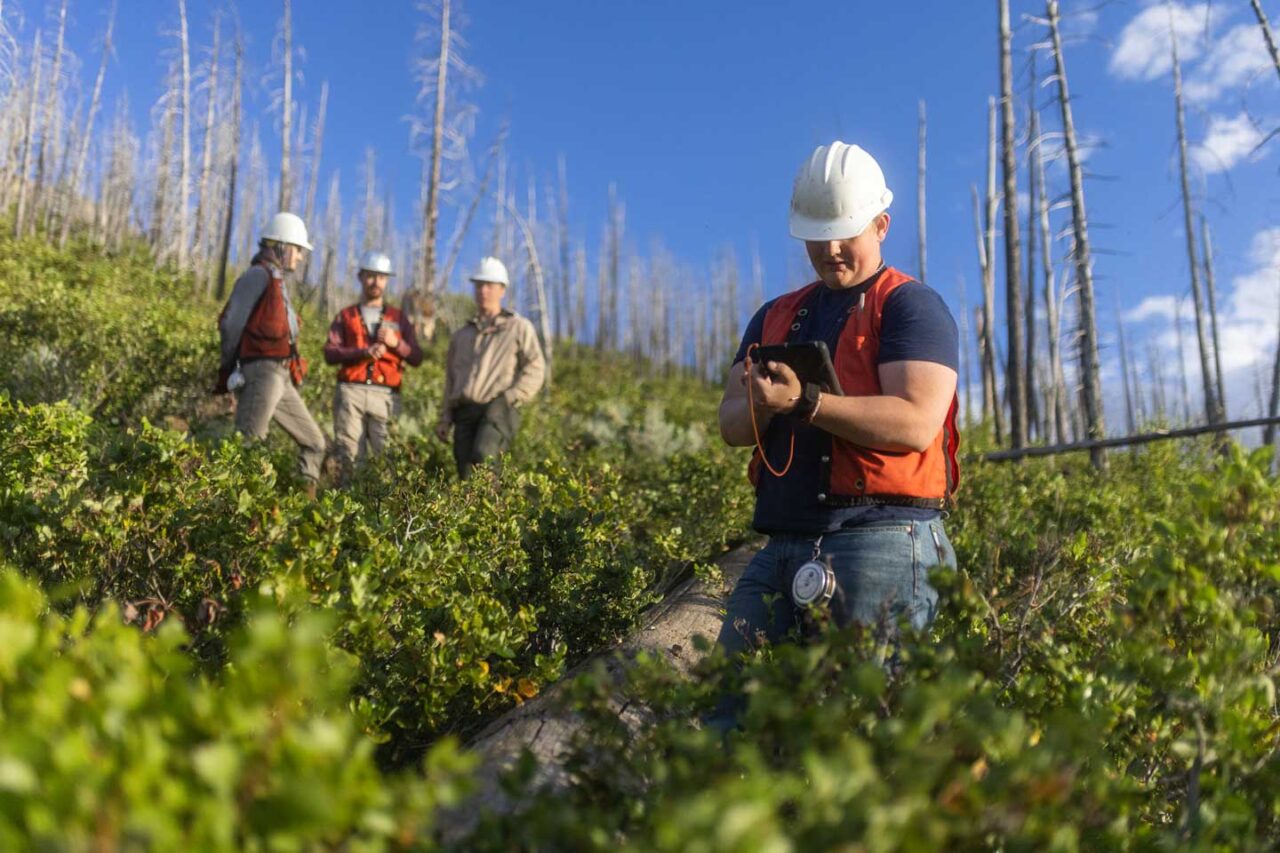
Photo Credit: Andrew Studer / American Forests
Hands-on learning is a hallmark of the workforce development model American Forests is building: bringing in passionate people — even without traditional forestry backgrounds — and giving them the training, mentorship and real-world experience to succeed.
For Rose, mentorship played a critical role in helping him to build technical skills and understand restoration strategies.
“I was very lucky that my manager had a lot of experience under his belt, and he was pivotal to my learning,” Rose says. “But we also learned a lot from our Forest Service partners, both of whom had been working on the Fre-Win for decades. Having that institutional knowledge available was a game changer.”
Within a year, Rose advanced from contractor to long-term seasonal field technician. By 2024, he was promoted to a full-time reforestation manager.
Now, he’s preparing for his next step: leading a crew on Washington’s Okanogan-Wenatchee National Forest, a key landscape for expanding restoration efforts.
Growing a solution to a workforce gap
Rose’s trajectory is impressive, but it’s also incredibly necessary.
Across the country, forests are facing mounting pressures from pests and disease, high-intensity wildfires, and climate change. At the same time, the workforce needed to address these challenges is shrinking.
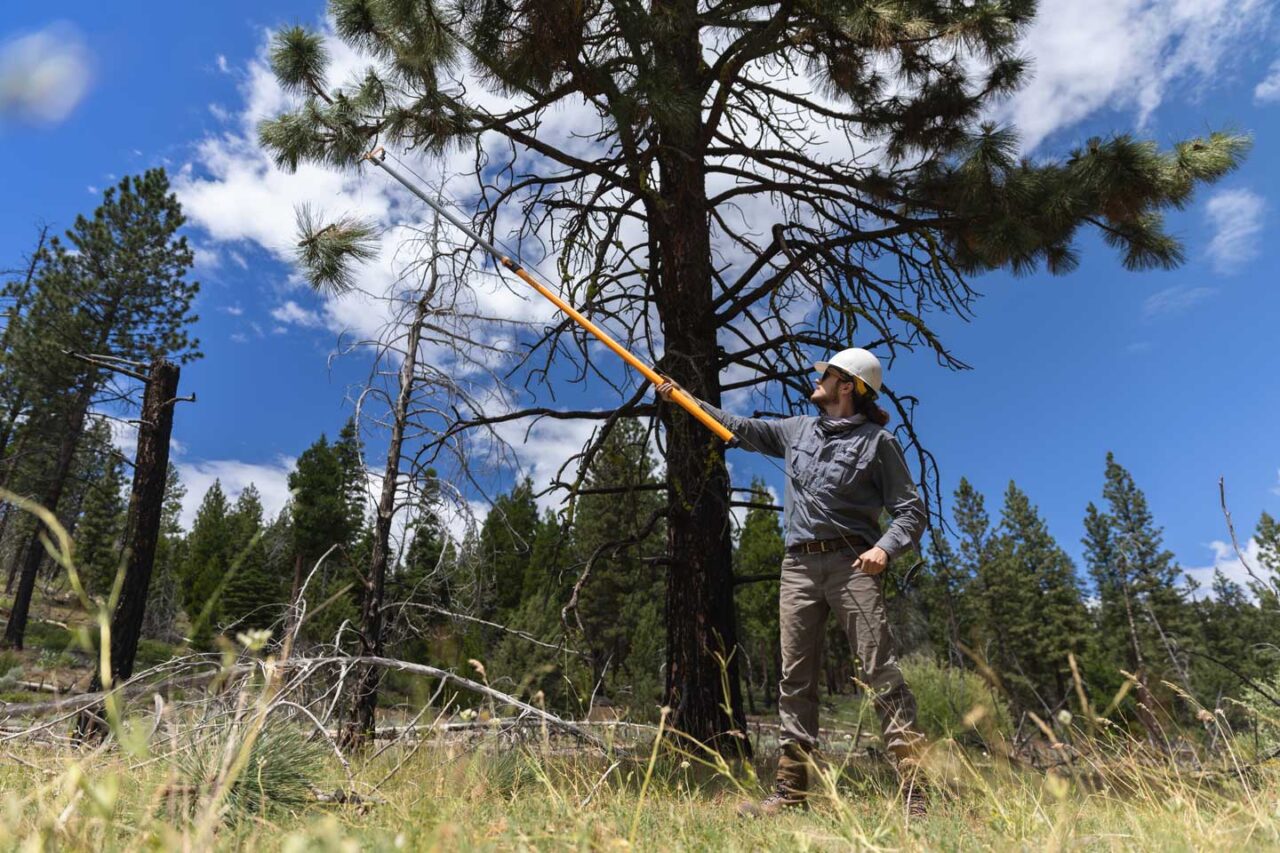
Photo Credit: Nick Grier / American Forests
“There’s definitely a lack of workforce on all levels,” Rose says. “People are spread really thin.”
He’s seen it firsthand: hiring freezes, retirements without replacements and increasing workloads for remaining staff. In some cases, a single forester may be juggling the responsibilities of multiple roles.
The result is a growing backlog of restoration work.
On the Fremont-Winema, accordingly to American Forests’ South Central Oregon Integrated Post-Fire Resilience Strategy, it was estimated that reforesting the backlog of burned forest could take 50 years at existing Forest Service capacity. With the addition of American Forests crews, that timeline could shrink to just 12 years.
That’s a sizeable difference. And it’s exactly why American Forests is stepping in — expanding its field programs, hiring and training new staff, and working alongside public agencies to accelerate restoration.
Unlike many public agencies, as a nonprofit American Forests has the flexibility to hire quickly, deploy crews efficiently and scale operations to meet urgent needs. That agility is critical in a moment when landscapes — and communities — can’t afford to wait.
“The Forest Service can’t do it alone,” Rose says. “We’re here to do our best to bring that timeline down, even if it still takes a couple decades to get to where we want to be. As long as there is a need and there are passionate people, there are going to be boots on the ground.”
Growing people, growing impact
American Forests’ workforce development efforts are filling jobs and alleviating current capacity strains. But the long-term vision is also about building careers and creating a pipeline of skilled professionals who will carry this work forward for decades.
Rose is now part of that pipeline from both sides.
As he prepares to lead his own crew, he’s thinking not just about the work, but about the people he’ll manage.
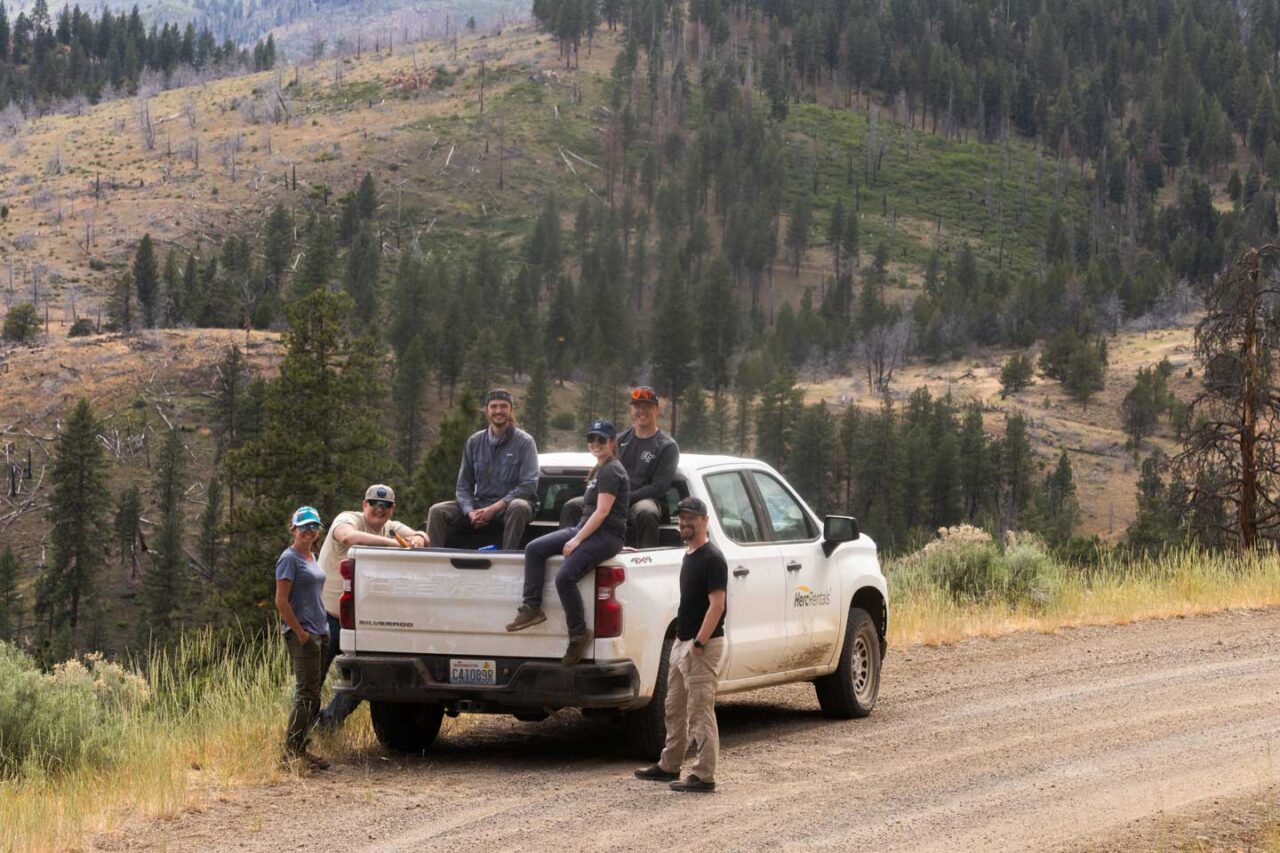
Photo Credit: Nick Grier / American Forests
“Now I get to bring more people into the fold,” he says. “People who want to make a difference and just need to get their foot in the door.”
It’s a full-circle moment—from someone searching for a way back into the environmental field to someone creating opportunities for others.
That ripple effect is central to American Forests’ approach. Each new hire adds capacity, but they also gain skills, experience and a sense of purpose that can make a difference and shape the future of conservation.
For Rose, that motivation is both simple and profound.
“I want to do my best to save the planet,” he says. “But it’s also the people — the shared passion. That’s what makes it worth it on days when it may feel like it’s not.”
Rooting for the future
Rose didn’t set out to become a forester. But through curiosity, persistence and opportunity, he found his place in the field. And now, he’s helping shape its future.
His story reflects a broader truth: solving the climate and reforestation crisis isn’t just about planting trees. It’s about growing people.
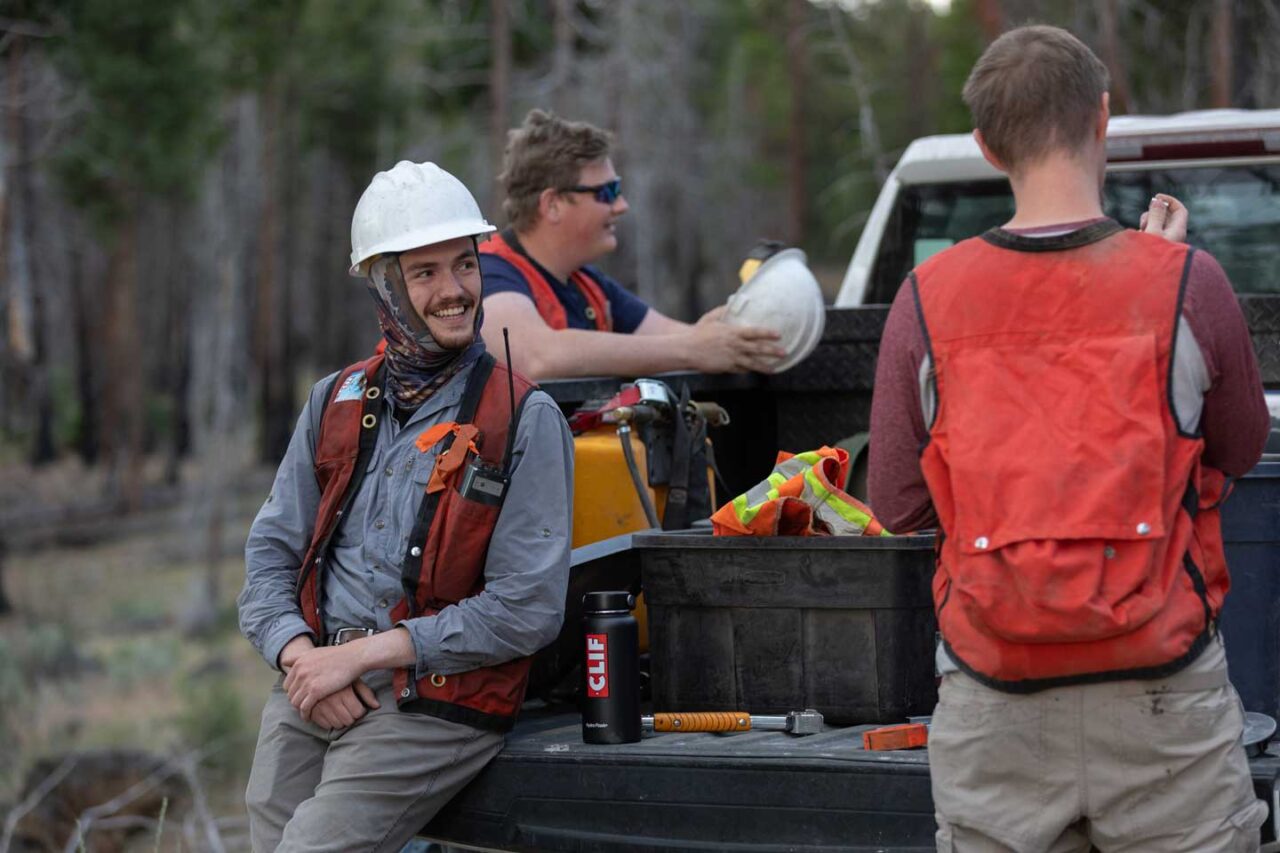
Photo Credit: Nick Grier / American Forests
By investing in workforce development, American Forests is doing both — restoring landscapes today while cultivating the leaders who will continue to restore them tomorrow.
And for Austin Rose, that’s something worth rooting for.