
When Congress passed an omnibus bill mid-March to fund the government through the end of fiscal year 2022, all focus turned to the year ahead, giving President Biden the opportunity to lay out his priorities for fiscal year 2023, which begins October 1. The President’s budget reaffirms the administration’s whole-of-government commitment to advancing equity and combating climate change, proposing $45 billion of the $5.8 trillion request for climate change initiatives, with billions of that figure dedicated to forestry and related natural climate solution investments. American Forests applauds President Biden’s recognition of the power of working forests in our city centers and across our landscapes as our best nature-based solution to sequestering carbon and mitigating climate change.
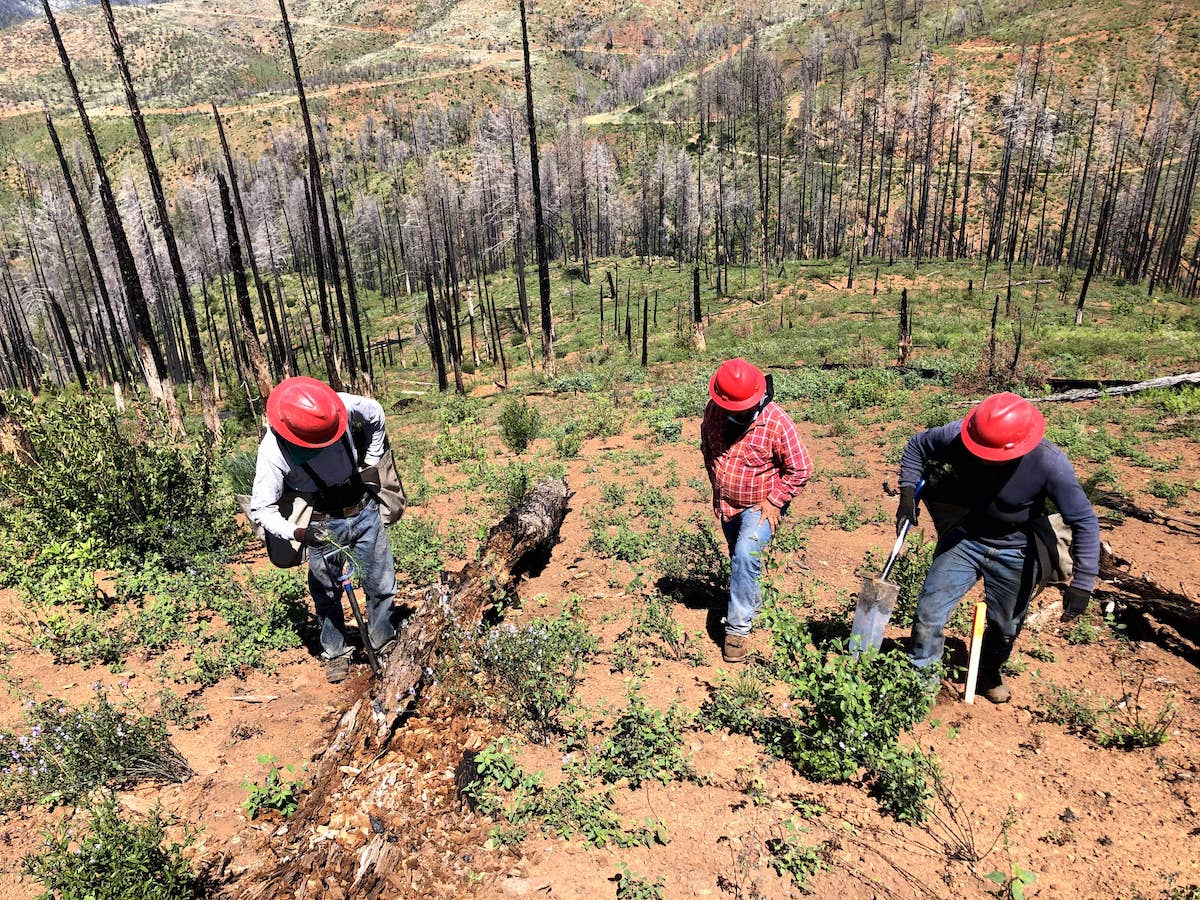
Photo Credit: Austin Rempel / American Forests
Building back America’s forestry workforce
There’s no denying it: our wildfire ”season” has become year-round. With catastrophic wildfires now occurring in December and January and burning longer and hotter due to drought, invasive species and disease heightened by climate change, we’ve been advocating for consistent federal funding to ensure our forests are responsibly managed. The $1.8 billion for personnel and preparedness proposed by the administration would result in the hiring of thousands of U.S. Forest Service staff to combat wildfires, with additional funds for positions through the Environmental Protection Agency and Department of Interior. The President has maintained that federal firefighters will be guaranteed a minimum wage of $15 an hour to ensure a more resilient workforce.
But forestry-related job funding in the FY23 budget isn’t limited to wildfire suppression. On-the-ground expertise is needed in our forests to help make our trees healthier and more resilient while creating jobs. President Biden’s request of $80 million to expand the Civilian Climate Corps and Indian Youth Service Corps will help to accomplish these mighty tasks and fortify our forestry workforce’s younger generations.
Building back America’s landscapes
President Biden’s budget builds on needed forestry investments from the recently passed infrastructure bill. The infrastructure package includes the American Forests-championed REPLANT Act, which boosts the Forest Service’s ability to reforest the National Forest System and address an existing backlog of over 4 million acres.
The President’s FY23 budget requests are aggressive on wildfire, at a time when robust investments are direly needed. The budget requests nearly $3.9 billion for the Forest Service’s Wildland Fire Management program, an increase of $778 million, as well as an additional $2.6 billion for the suppression cap. The FY23 budget dedicates $321 million toward hazardous fuels reduction, an increase of $141 million from the previous year’s continuing resolution. These crucial funds will allow the agency to mitigate wildfire risk on 3.8 million acres of high priority and high risk areas. Together with the $300 million in hazardous fuels funding allocated to Forest Service through the infrastructure bill, these funds will begin to demonstrate effective fuels management strategies at landscape-scales.
The President’s budget also adds over $69 million for the Vegetation and Watershed Management Program and additional funds for burned area emergency response, which will complement and help support the REPLANT Act’s investments in post-fire recovery and restoration. Severe wildfire events can limit the diversity of plant and tree species that are able to thrive — increasingly, reforestation with the right tree species is needed to not only help landscapes recover, but to help prevent the next severe fire as well.
And the FY23 budget includes a $25 million increase to research and science delivery related to climate mitigation, adaptation and resilience. This increase in funding will allow the Forest Service’s Forest and Rangeland Research to increase its scientific contribution, supporting the administration’s science-based approach to improving the climate resilience of forest and rangeland ecosystems. The President’s budget also allocates an additional $66 million to the Collaborative Forest Landscape Restoration Program, which helps to accomplish a range of restoration and wildlife habitat goals to make our forests more resilient.
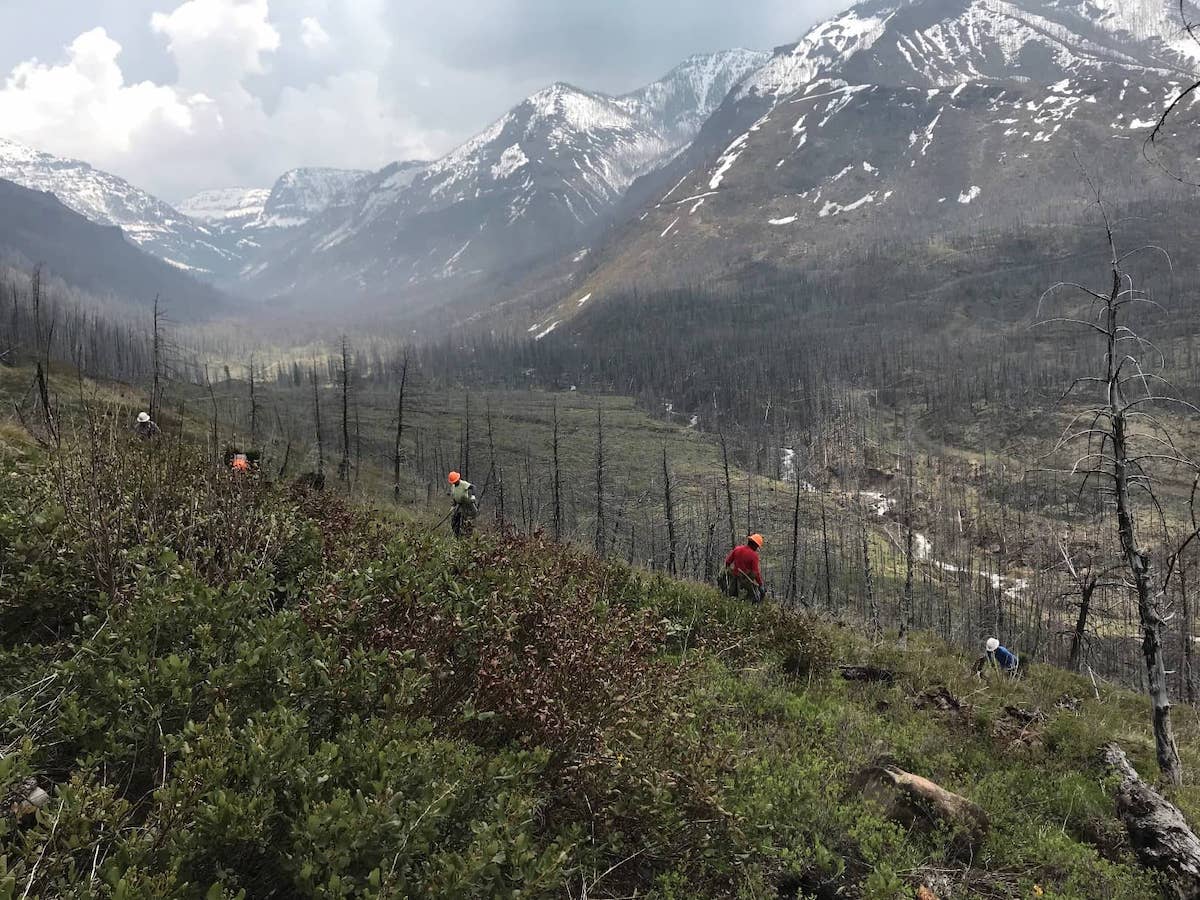
Photo Credit: Clay Demastus
Building back America’s communities
The trees planted and maintained in urban heat islands offer life-saving protection from extreme heat while improving air quality, reducing flooding and creating jobs and economic opportunities. The FY23 budget requests nearly $32 million for urban and community forestry, in line with previous funding levels. Our urban forests have incredible return on investment, and we appreciate the administration’s recognition of the role of urban forests in delivering nature-based solutions for climate and environmental justice while creating green jobs and training opportunities where more than 84% of Americans live, work and recreate.
Although consistent with previous years, this level of investment in urban and community forestry is not keeping pace with inflation nor the needs of the moment, particularly for the communities often hit first and worst by climate change. In the current Ten-Year Urban Forestry Action Plan, developed in 2015, the National Urban Forestry Advisory Council suggested annual funding needs in the range of approximately $85 million. This should be the starting point for future appropriations for the program.
We are encouraged to see the administration’s commitment to Justice40 and combating environmental racism throughout the budget, while specifically acknowledging the critical role urban forests play in improving the health, resilience and critical access to green spaces and urban canopy for underserved communities across the nation. We were heartened by the commitment to community-led urban and community forestry provisions in the FY22 omnibus and look forward to working with Congress and the administration to increase funding for projects of this scale in FY23. We also look forward to working with the administration and Congress to further invest in urban tree canopy to advance Tree Equity for the health, wealth and quality of life for communities most in need.
Notably, the President’s FY23 budget appears to have missed an opportunity to further investment in our communities, as it does not include funding for the Department of Transportation’s Healthy Streets Program. Created in the infrastructure bill, this discretionary grant program would provide support to local jurisdictions in their efforts to combat urban heat islands by expanding tree cover and utilizing cool pavement solutions. American Forests has been advocating for robust funding for this program to better embrace a whole-of-government approach to utilizing forest-climate solutions, and the administration has been championing this program as an important provision for climate justice and action in our communities. We look forward to working with the administration and Congressional appropriators to fund this critical program in the final FY23 appropriations bill.
Building back America’s resiliency
The President’s budget requests offer meaningful investments and clear wins to critical forest-climate programs, and there’s no time to lose. We urge Congressional appropriators to adopt the forest-climate investments laid forth by the President and to expedite their delivery during this crucial time so we can get more trees and more forest experts on the ground and in our communities where they’re needed most. As the administration continues to prioritize climate action, we look forward to sustaining our hand-in-hand work to ensure subsequent climate legislation and programs are in line with these priorities and fully realize the benefit that trees can have in our communities and on our landscapes.